Protein For Muscle Building: How Much Women Really Need In Midlife
Fueling Muscle Growth: The Essential Guide for Women
Muscle mass is crucial as we age—especially for women navigating perimenopause and beyond. Building muscle isn't just about looks; it's about strength, independence, and long-term health.
But here's the truth: you can lift weights three times a week and still struggle to build muscle if you're not properly fueling your body.
Today, we're diving into the nutrition side of the equation—specifically, how to eat to support muscle growth and maintenance. Yes, we'll also cover protein supplements and creatine, because sometimes food alone isn't enough.
Understanding Protein Needs for Muscle Building
Here's the truth: many women are shocked when they calculate their actual protein needs. We've been conditioned to think of protein as something for bodybuilders or men trying to "bulk up." However, protein is the building block of muscle. If you're not consuming enough, your strength training efforts will be limited.
As we age, our protein needs actually increase. The current recommendation is 1.2-1.6 grams of protein per kilogram of body weight per day. For a 150-pound woman, that translates to roughly 80-110 grams of protein daily.
The 25-30 Gram Rule for Optimal Muscle Growth
Research shows that consuming 25-30 grams of protein per meal is optimal for muscle protein synthesis—the process by which your body builds and repairs muscle tissue. This isn't just about hitting your daily total; it's also about timing and distribution.
What does 25-30 grams look like?

4 oz of chicken breast (about 35g)
1 cup of Greek yogurt (about 25g)
3 whole eggs (about 20g) + 1 slice of cheese (about 7g)
4 oz of salmon (about 30g)
1 cup of cottage cheese (about 28g)
Notice something? These portions are often larger than what we typically consume, especially at breakfast. Most women I work with get maybe 10-15 grams of protein at breakfast, then try to "catch up" at dinner. This approach isn't as effective for muscle building.
Getting Your Protein Target Right
Calculating your protein needs can be nuanced. If you're in a larger body (BMI >30), using total body weight might overestimate your protein requirements. Research suggests using adjusted body weight, which accounts for your lean mass plus a portion of your fat mass.
The most accurate approach? Get a body composition scan and use your lean body mass. This gives you a personalized target that reflects what your muscles need to thrive—whether weight loss is part of your health journey or not. Building and maintaining muscle is essential for everyone.
Enter Protein Supplements: A Practical Solution
Hitting 25-30 grams of protein per meal from whole foods alone can be challenging, especially at breakfast when many of us are rushing out the door. This is where protein supplements become tools, not crutches. A high-quality protein powder can help bridge the gap between what you're eating and what your muscles need.
What to look for in a protein supplement:
At least 20-25 grams of protein per serving
Complete amino acid profile (whey, casein, or a complete plant-based blend)
Minimal added sugars and artificial ingredients
Third-party tested for purity
How to use it:
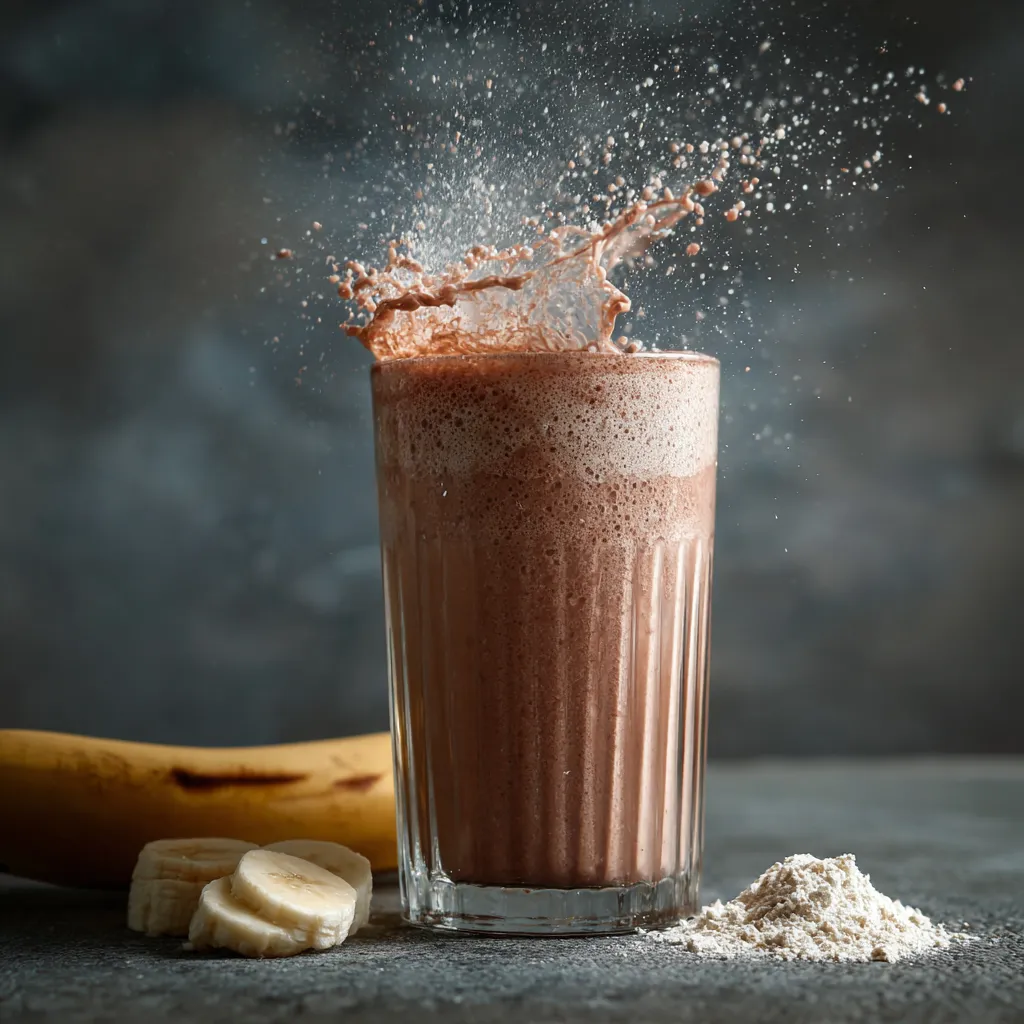
Blend into a smoothie with fruits and vegetables
Stir into oatmeal or yogurt
Mix into pancake or muffin batter
Consume post-workout within 30 minutes for optimal recovery
The Creatine Conversation: Debunking Myths
Now, let's talk about creatine—one of the most misunderstood supplements out there. If you think creatine is just for men who want to get "swole," think again.
Creatine is one of the most researched supplements in sports nutrition, and the benefits for women are compelling:
Improved strength and power output
Enhanced recovery between sets
Increased lean muscle mass when combined with resistance training
Potential cognitive benefits (your brain uses creatine too!)
The facts about creatine for women:
It won't make you "bulky" or cause water retention as you might think.
The recommended dose is 3-5 grams daily, taken consistently.
You don't need to "load" with high doses—just take it daily.
It's safe for long-term use in healthy adults.
Creatine monohydrate is the most studied and effective form.
Practical Tips to Hit Your Protein Goals
Start with breakfast: This is where most women fall short. Aim for 25-30 grams right out of the gate. A protein smoothie with Greek yogurt, protein powder, and berries can help you reach this goal easily.
Plan your plate: Make protein the star of each meal, then add vegetables and healthy fats. Think of carbs as supporting players, not the main event.
Use the "protein first" rule: Eat your protein source first at each meal. This helps with satiety and ensures you're prioritizing your muscle-building goals.
Track for a week: You don't need to count forever, but tracking your protein intake for a week can be eye-opening. Most women are eating 40-60 grams daily when they need 80-110 grams.
Prep protein snacks: Hard-boiled eggs, Greek yogurt, cottage cheese, or a protein shake can help you hit your targets between meals.
The Bottom Line: Fueling Your Future
Building muscle isn't just about what you do in the gym—it's about how you fuel your body every single day. Protein isn't just a macronutrient; it's the foundation of your strength, recovery, and long-term health—regardless of what the scale says or what your aesthetic goals might be.
Whether you're pursuing intentional weight loss, weight maintenance, or focusing on other health goals entirely, your muscles deserve the same support. Strong muscles improve metabolic health, bone density, mood, energy levels, and functional capacity. These benefits exist independent of body size or weight changes.
If you're feeling overwhelmed by the numbers, remember: progress over perfection. Start by adding one high-protein meal or snack to your day. Then build from there.
Your muscles—and your future self—will thank you.
Want to Know Your Ideal Target?
Calculating your personal protein needs can feel overwhelming, especially when so much nutrition advice assumes a one-size-fits-all approach to health goals. At Sorrel, we practice weight-neutral medicine and recognize that building muscle and improving metabolic health are valuable goals regardless of your relationship with weight loss.
We offer InBody scans as part of our membership, giving you precise data about your lean muscle mass and personalized nutrition targets that align with your individual health goals—not someone else's assumptions about what your goals should be.
But we don't stop at numbers. After careful investigation of where you are today and where you want to be, we'll work together to create a comprehensive, personalized plan to help you reach your health goals as you navigate midlife. This might include optimizing your protein intake, exploring supplements like creatine, building sustainable strength training habits, hormone therapy, weight loss medications if appropriate for your goals, or addressing other aspects of metabolic health that matter to you.
Ready to stop guessing and start fueling your body with intention? Book your initial consultation today.